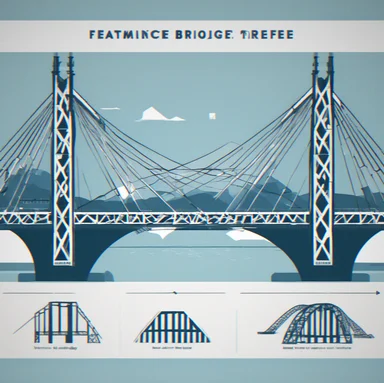
Build. Test. Optimize.
Where spatial reasoning meets real-time consequence.
What separates a bridge that barely holds from one that's actually elegant? The difference between guessing and understanding. Games like Poly Bridge and Bridge Constructor give you a span, a budget, and materials. your job isn't finding the one right answer—there are usually several ways to get there. What matters is finding the solution that works best with what you've got to work with.
Most campaigns have anywhere from 50 to 150 levels. Each one shows you exactly why your structure held up or fell apart, as it happens. No hidden mechanics. No artificial difficulty jumps. Just physics, what your materials cost, and a leaderboard where other people have figured out slightly smarter ways to do it. That gap between your solution and theirs? That's where learning actually happens.
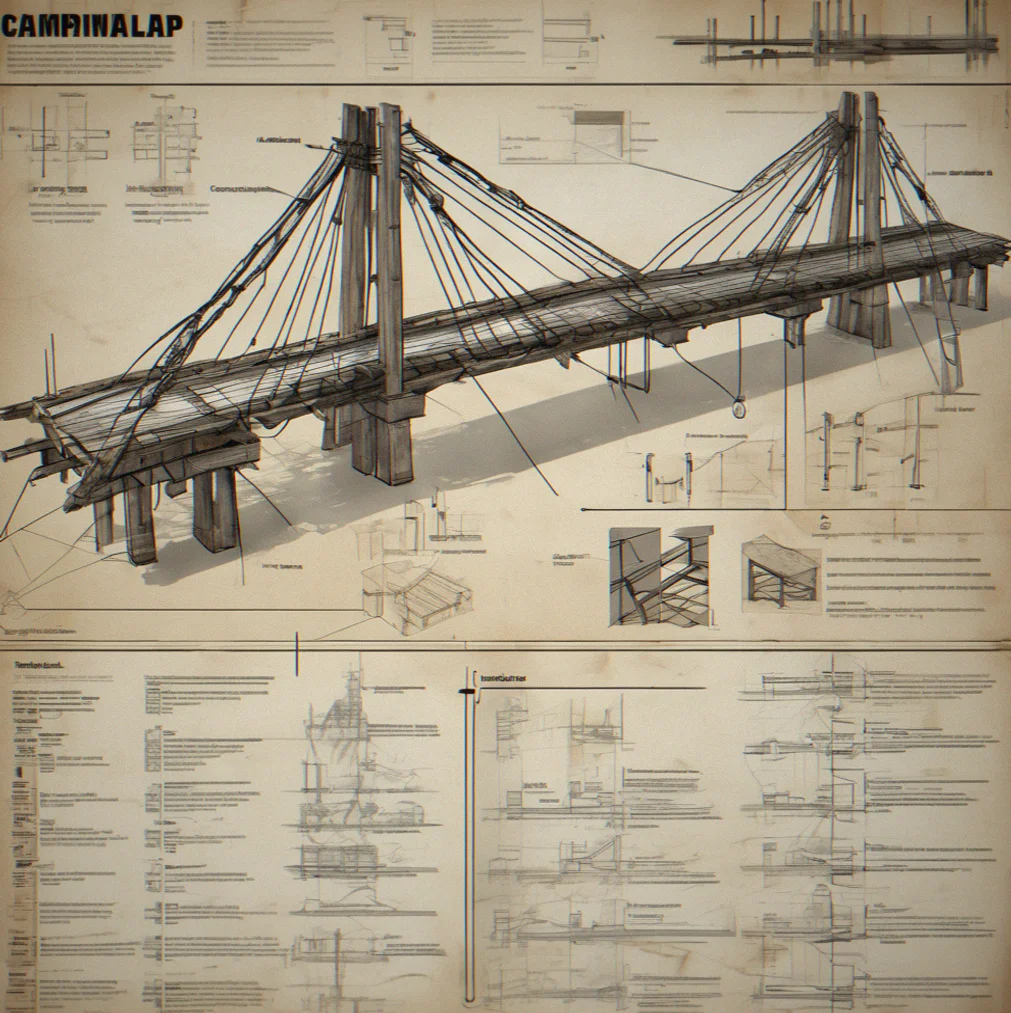
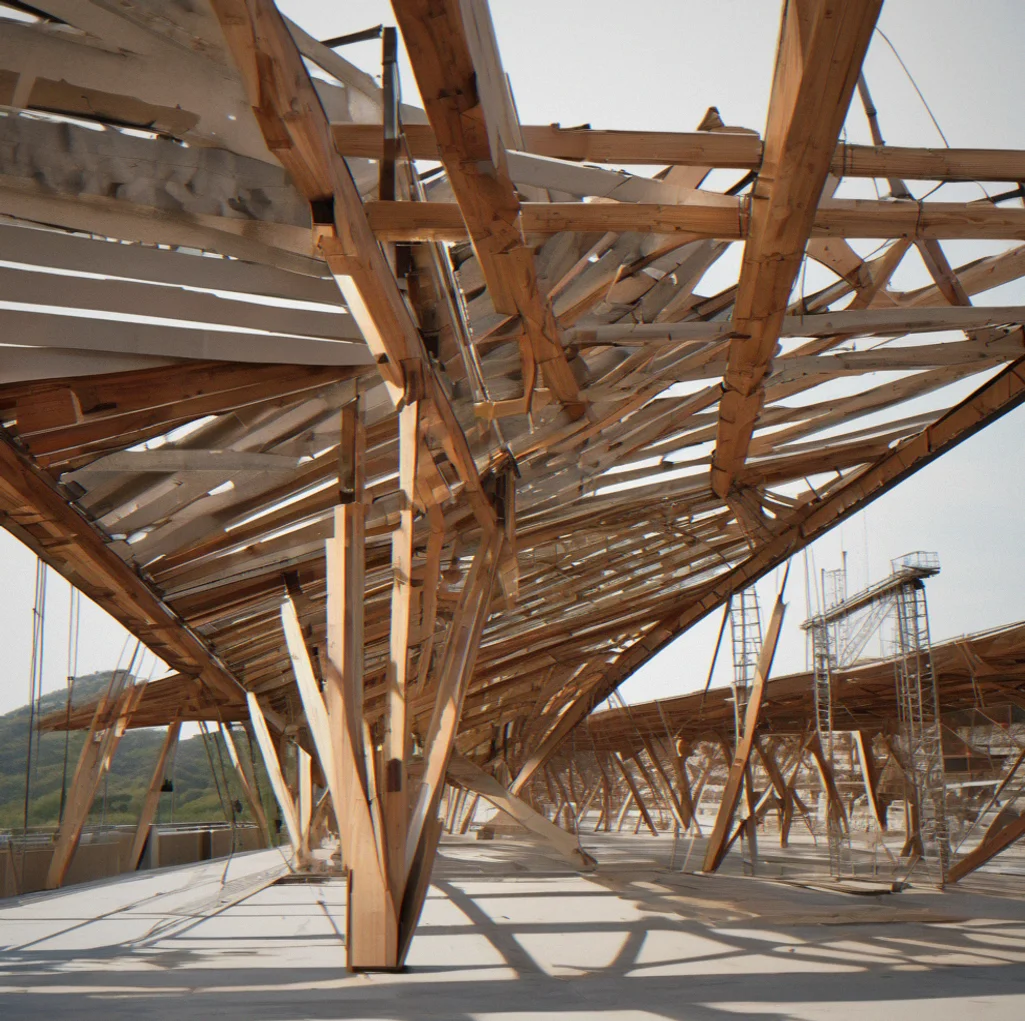
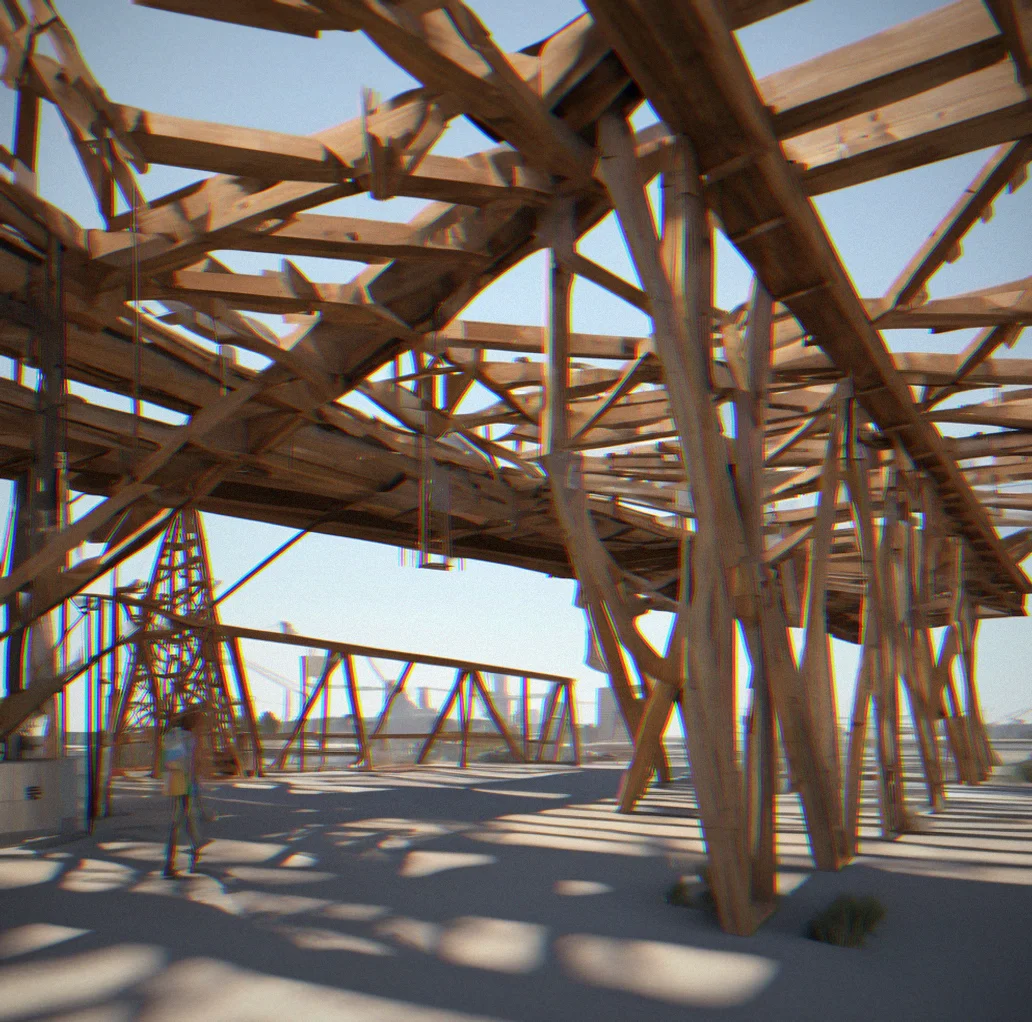
Engineering Gallery
Structural Analysis & Design Portfolio
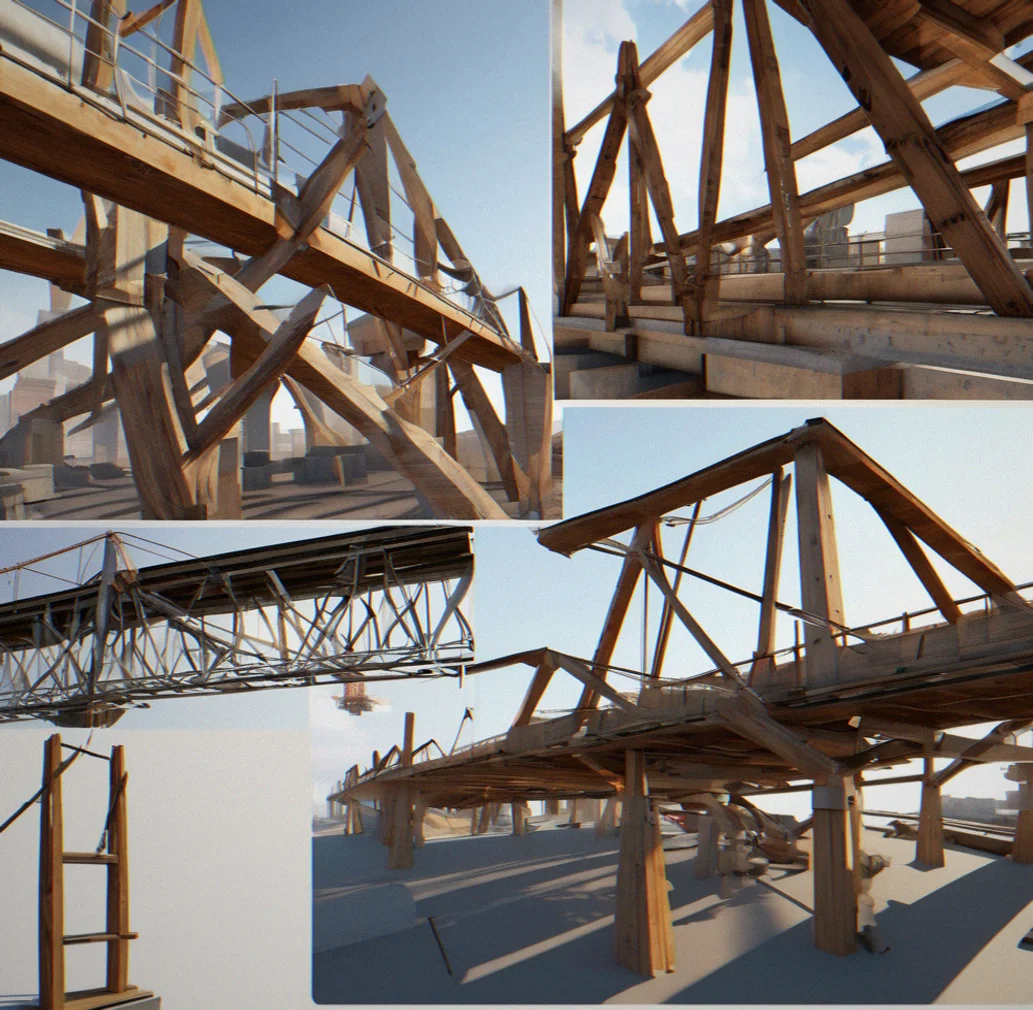
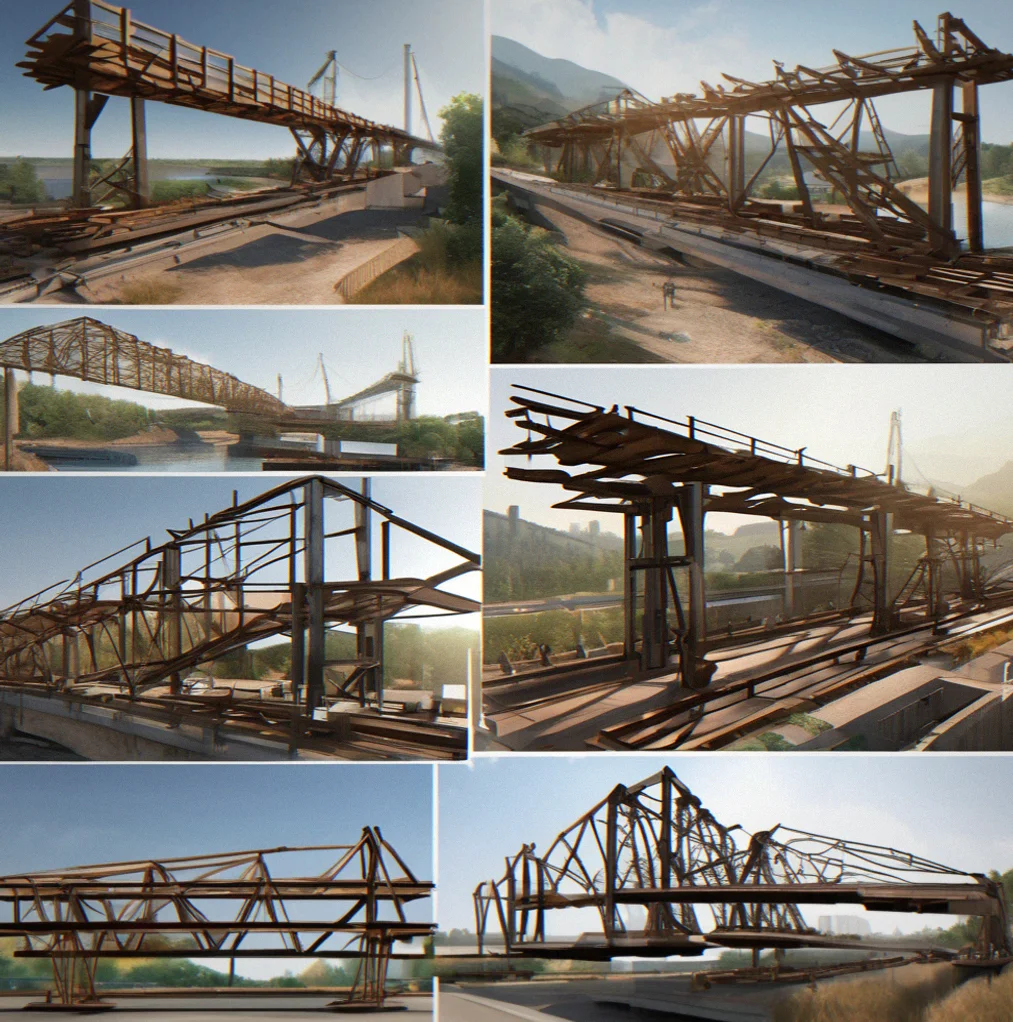
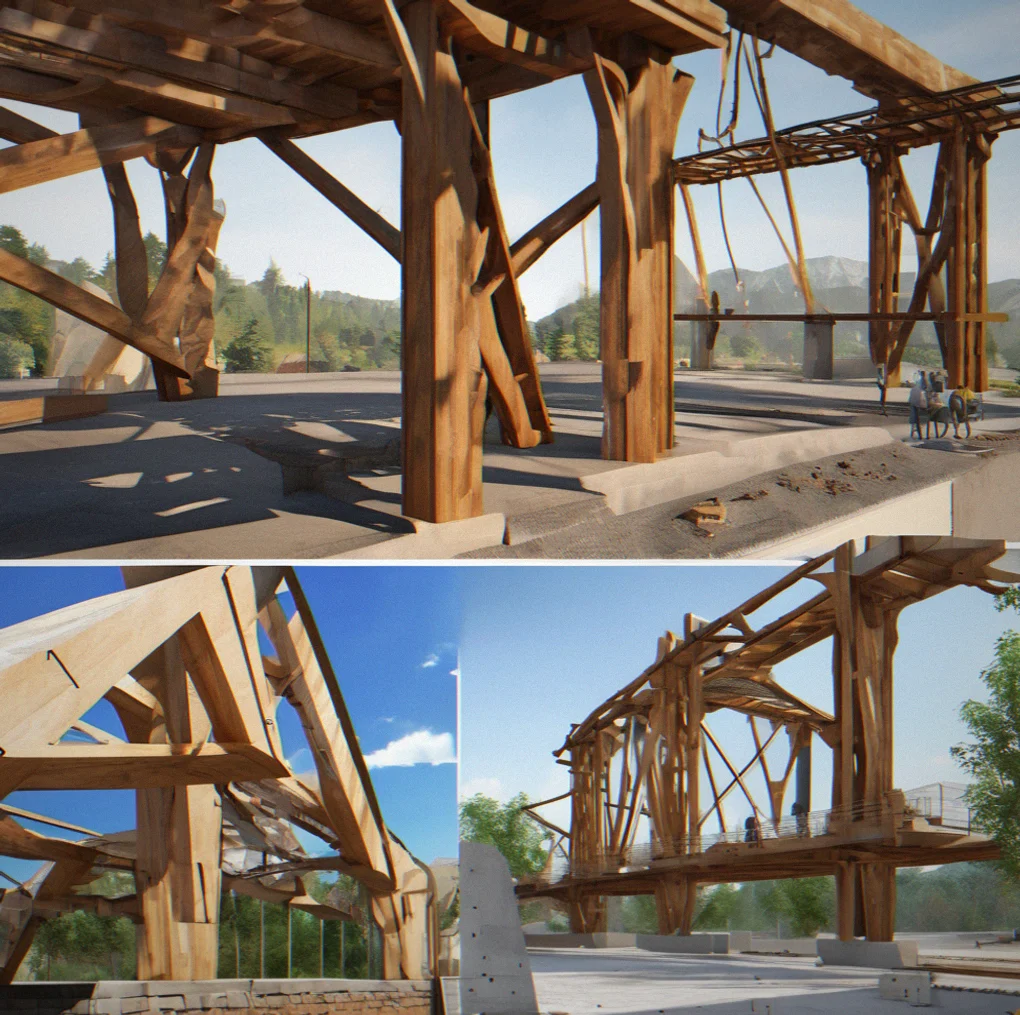
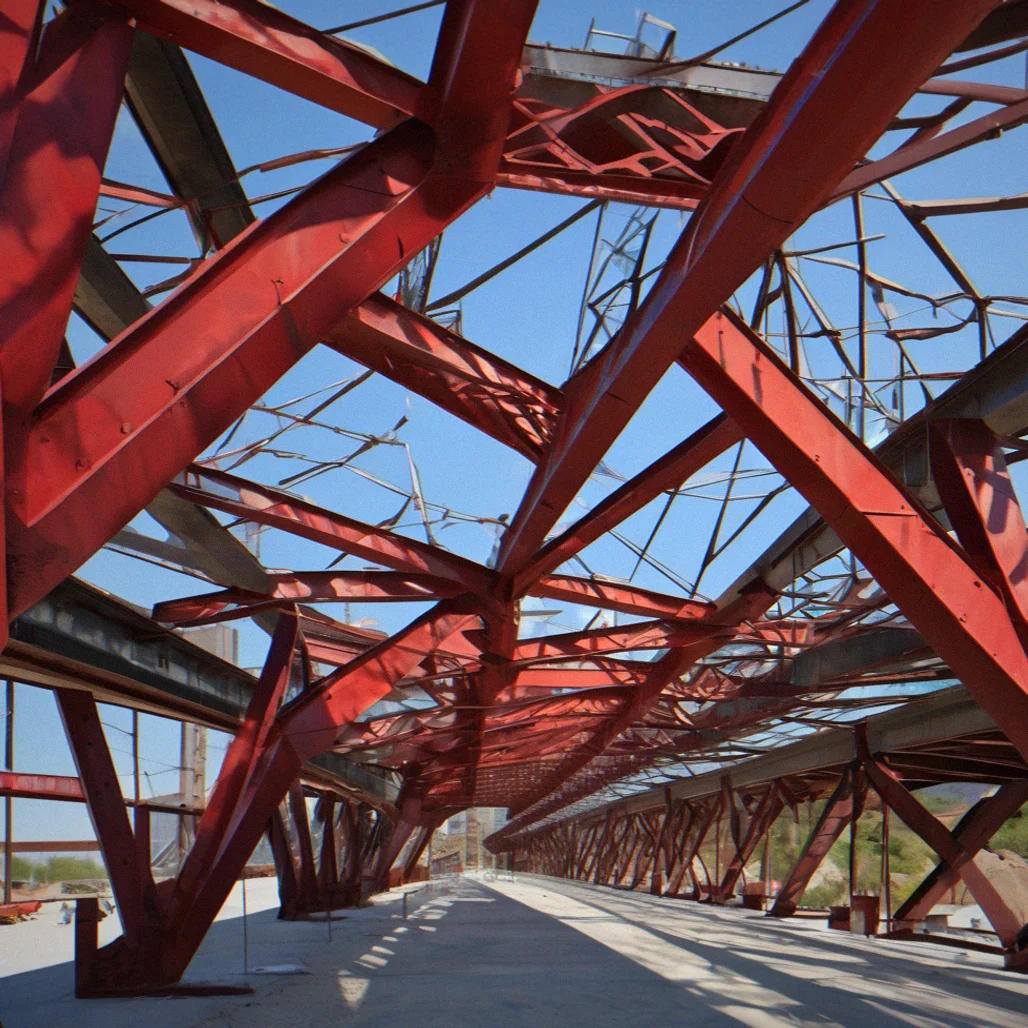
A beam bridge buckling under the weight of a truck mid-span, right next to a cable suspension design that barely flinches—side by side so you can see the difference
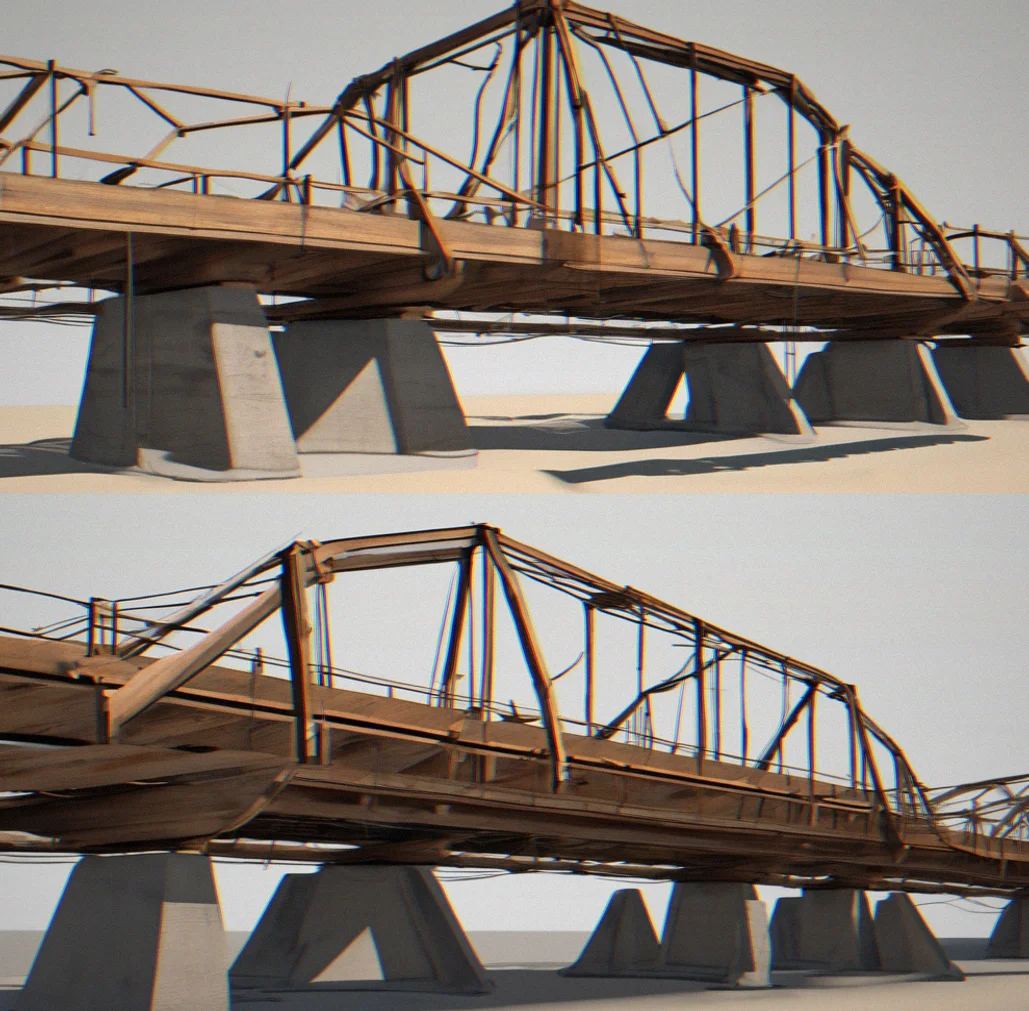
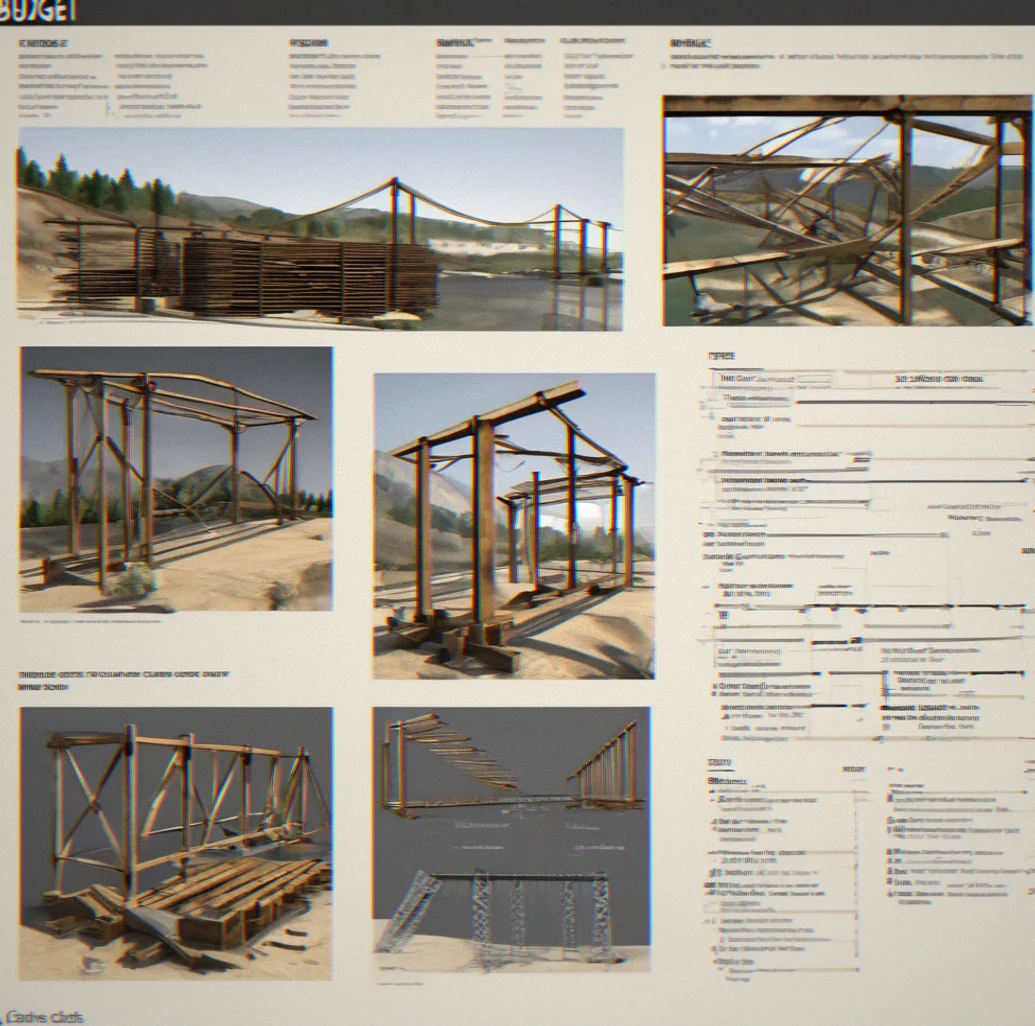
Budget screen at level 34 with roughly 4,200 credits to work with. Steel runs about 80 per unit, wood is 45, and cables cost a fair bit more at 120
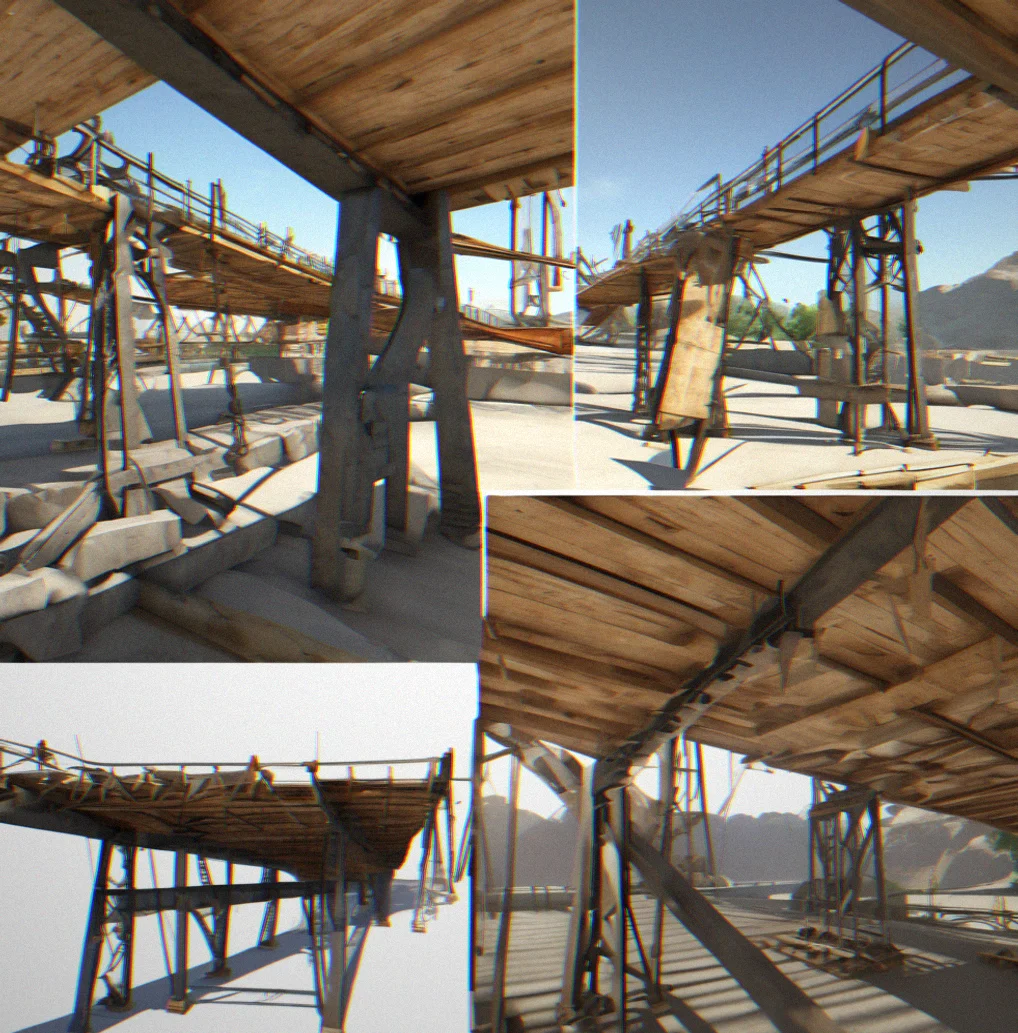
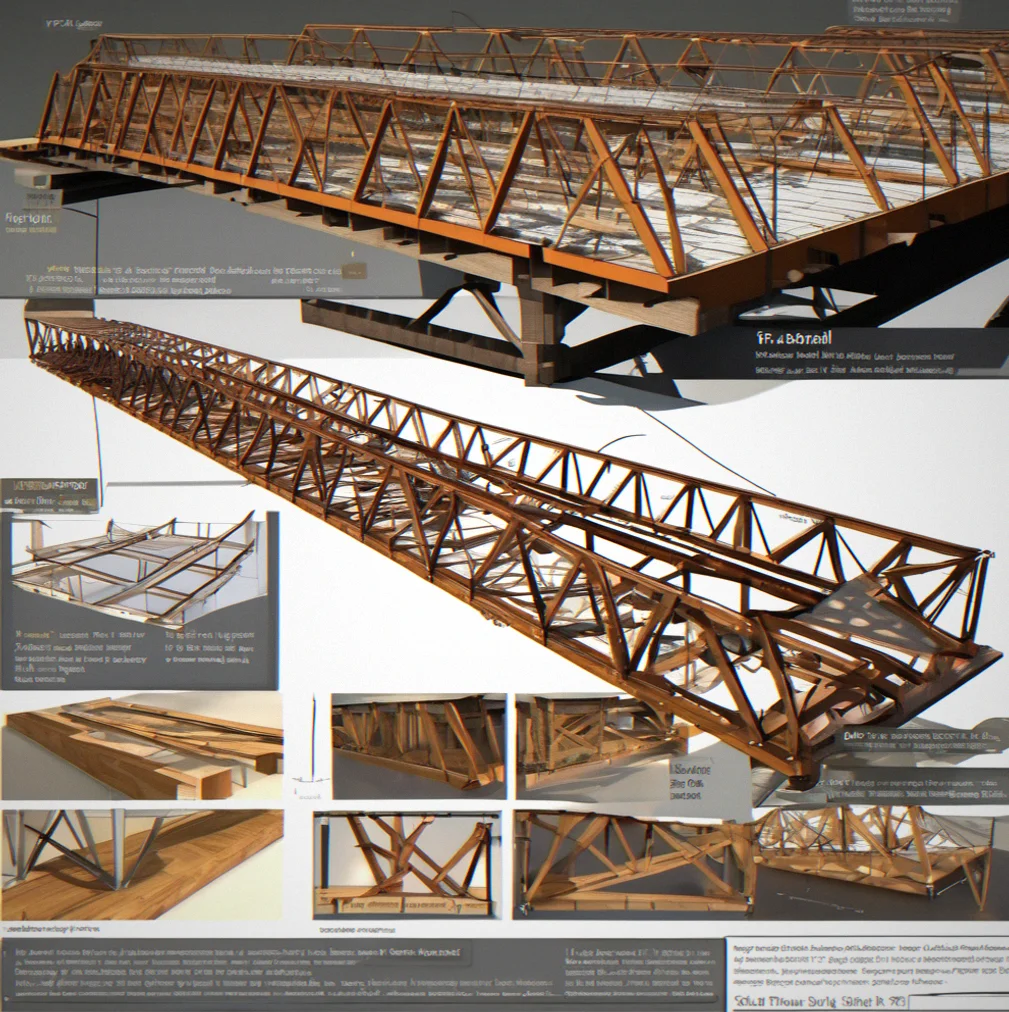
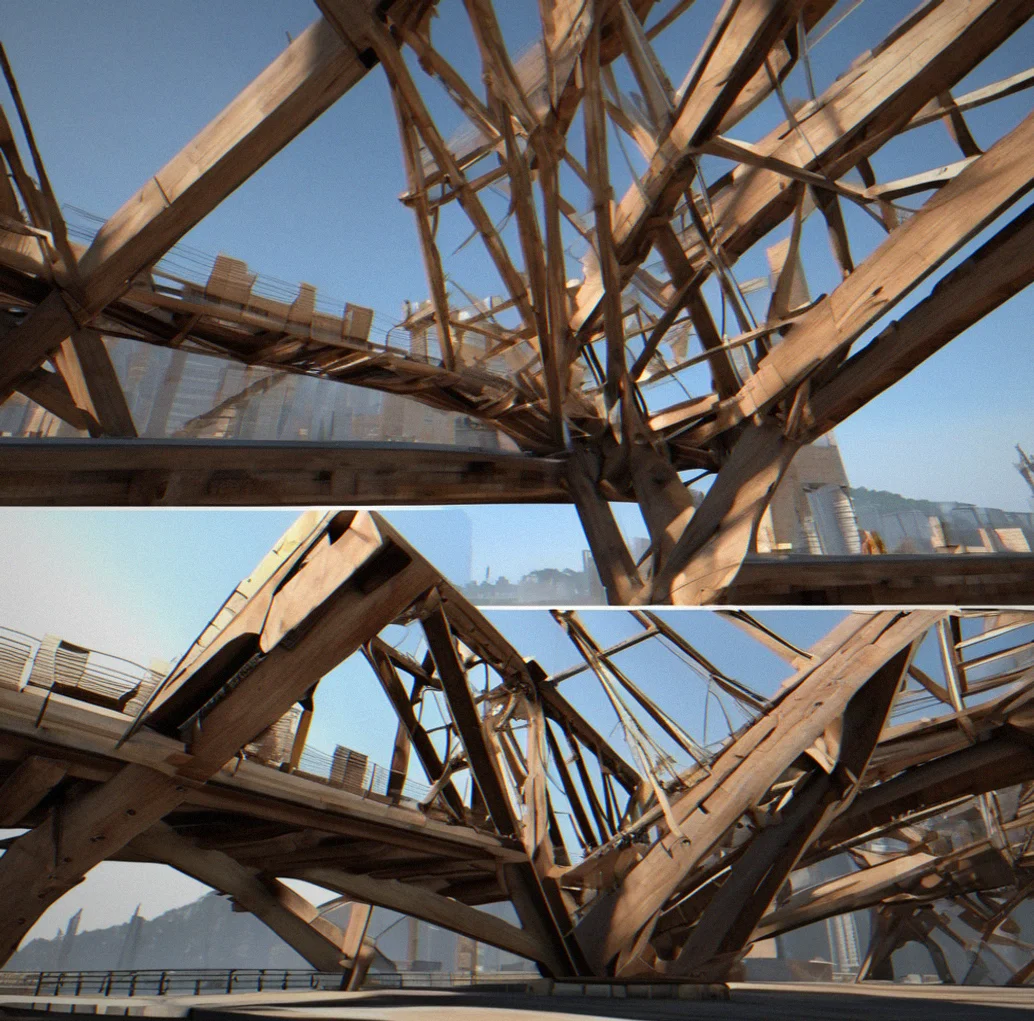
Truss layout with stress zones color-coded for you. Blue shows where things are getting compressed, red marks where tension is pulling hardest across the span
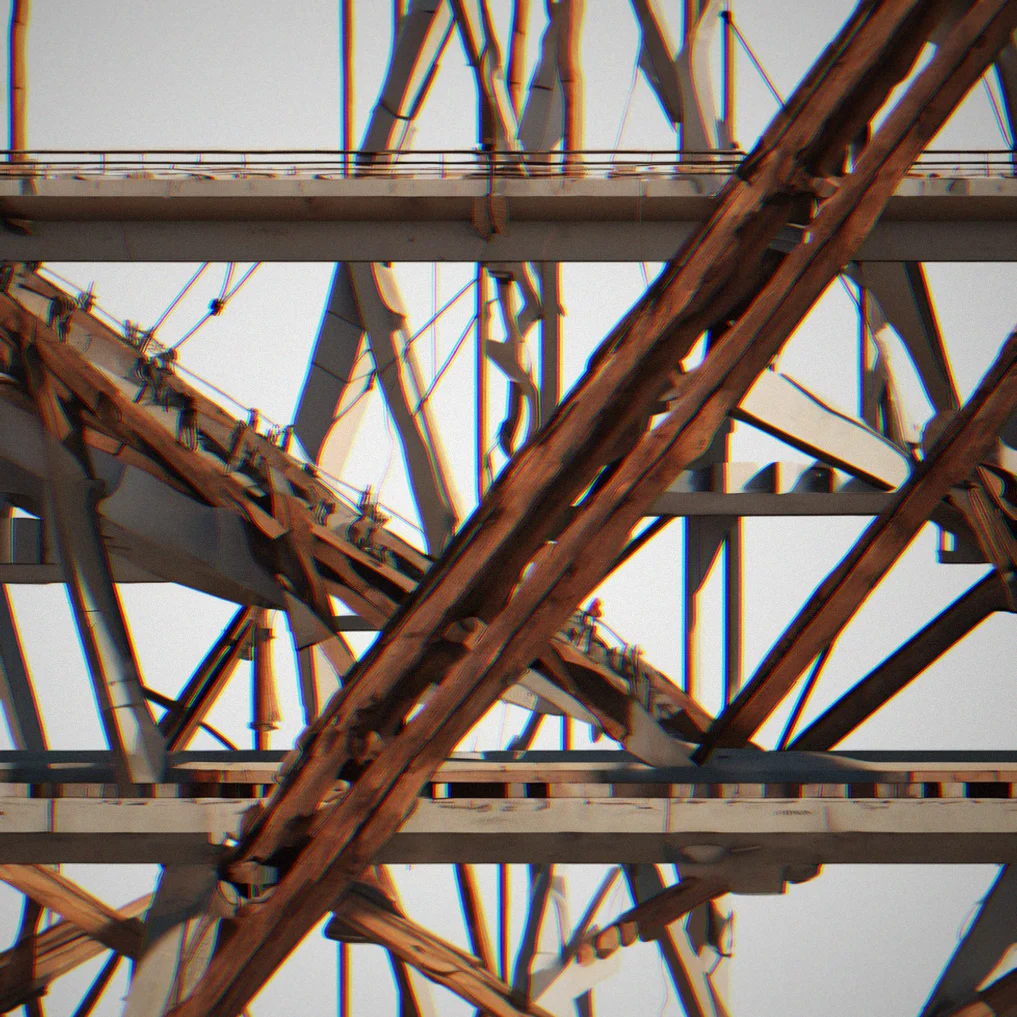
Leaderboard sorted by cost efficiency. You're sitting at 12th place and spent just under 3,900 credits, while the top spot somehow pulled it off for under 2,900
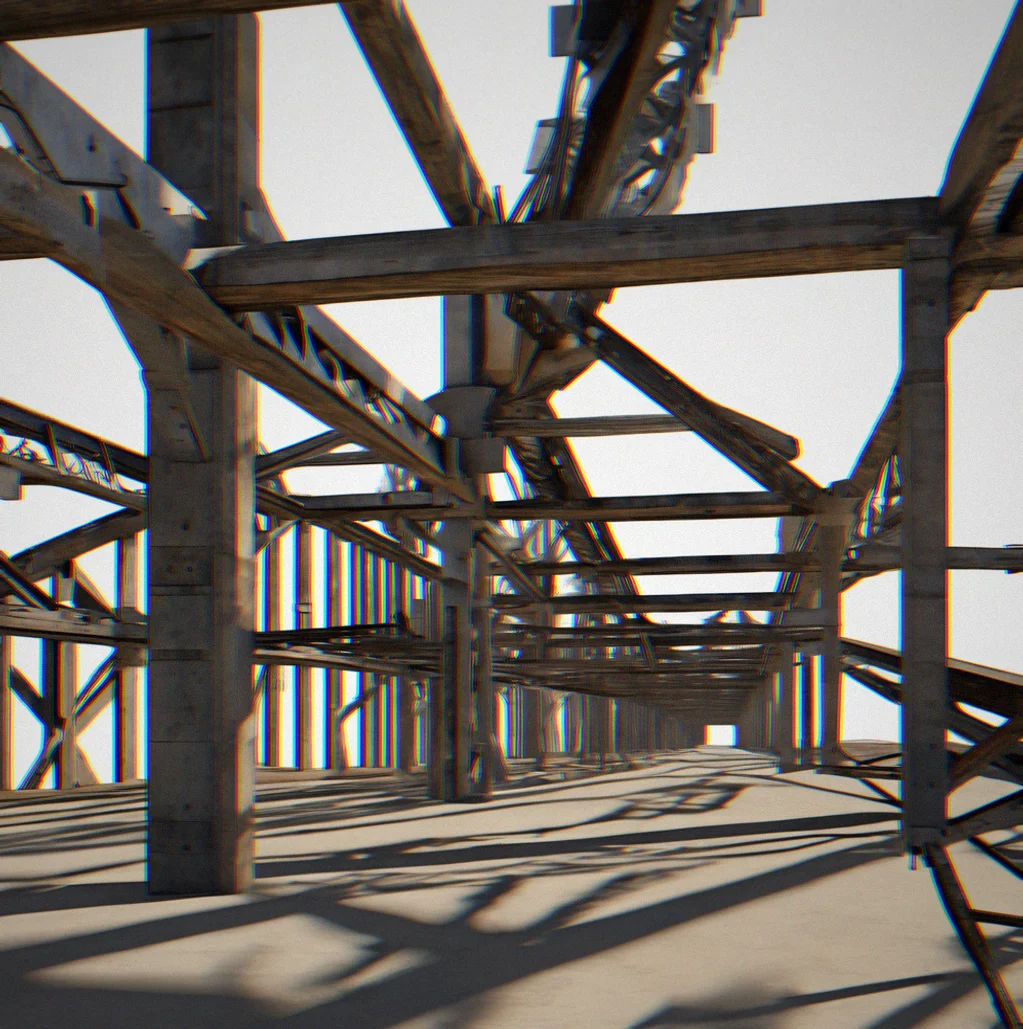
Campaign map showing you're at level 67 out of 120 total. The terrain's all over the place—flat sections, canyons, tilted approaches, and loads that don't sit evenly
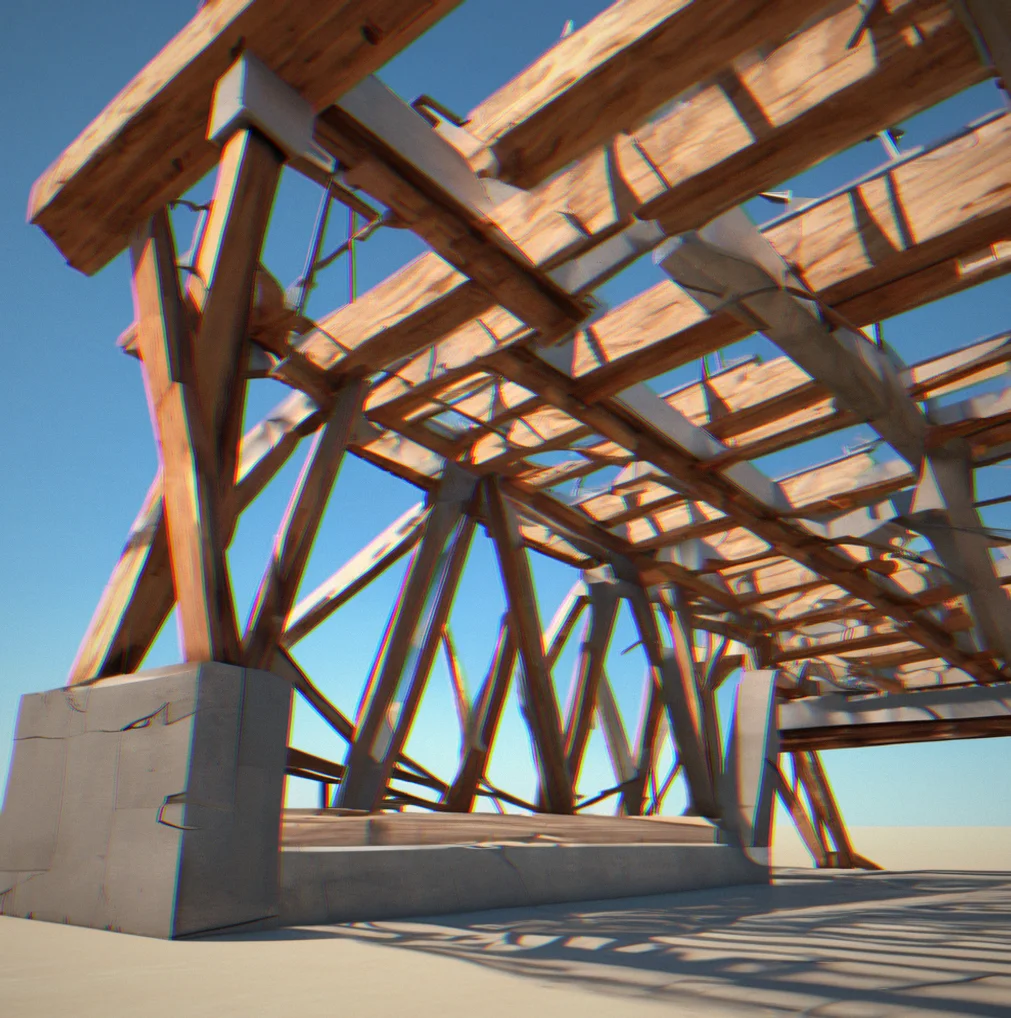
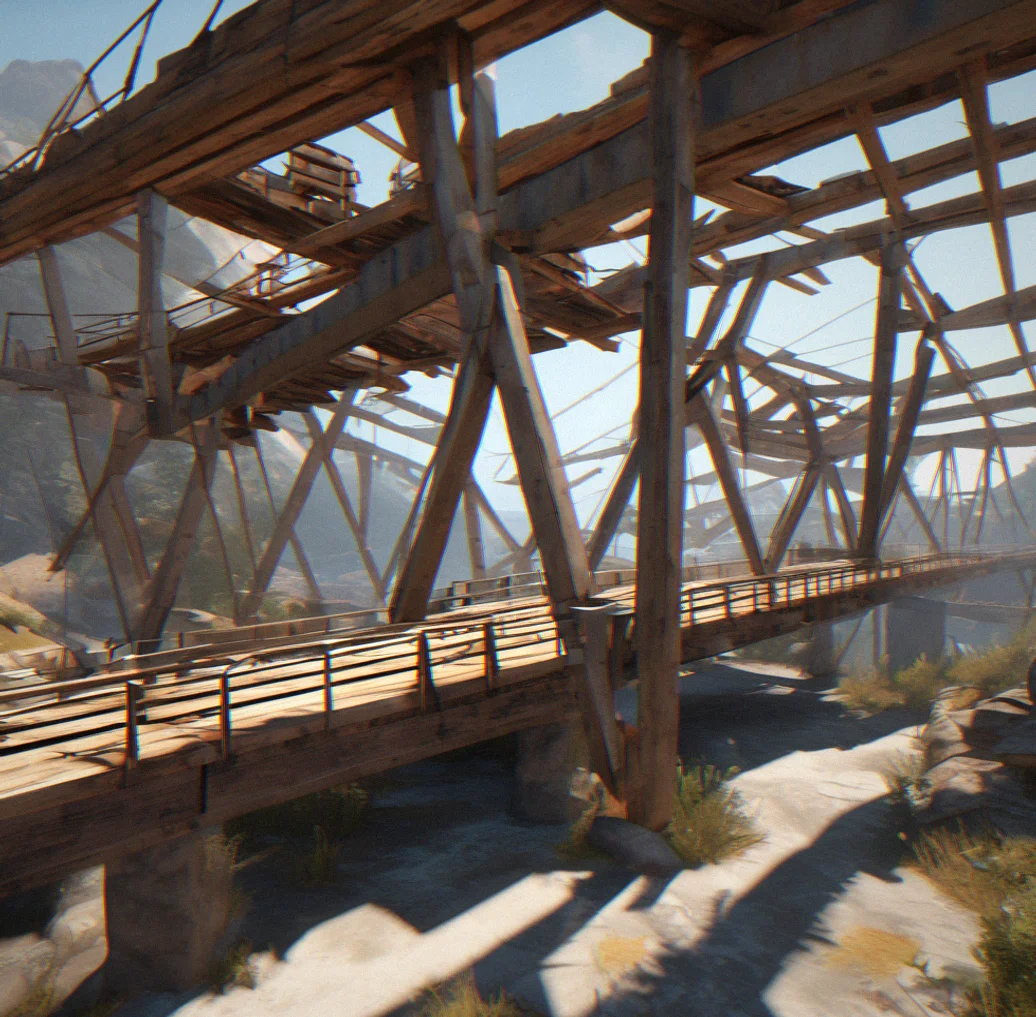
Physics engine running in real time as a 40-ton vehicle makes its way across. You can watch the cables stretch and the diagonal braces bend under the load
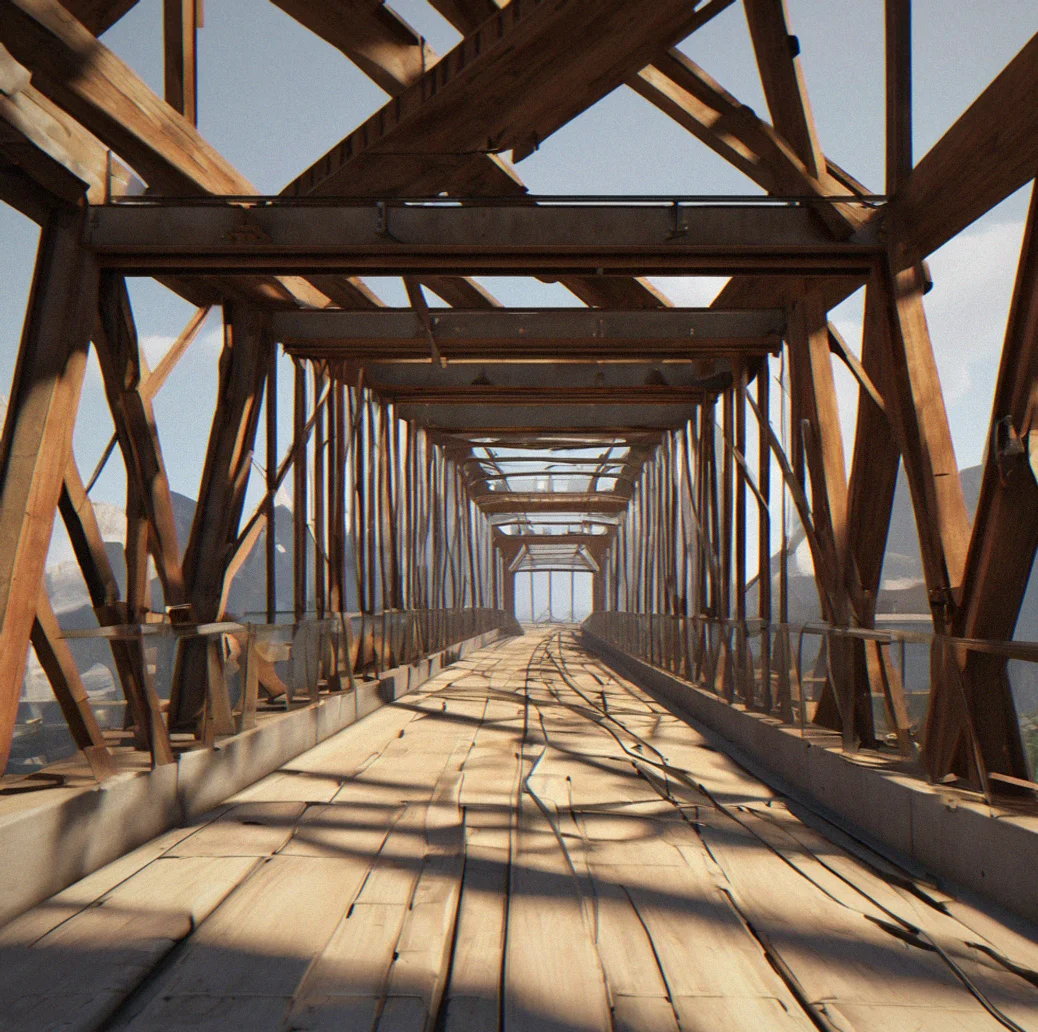
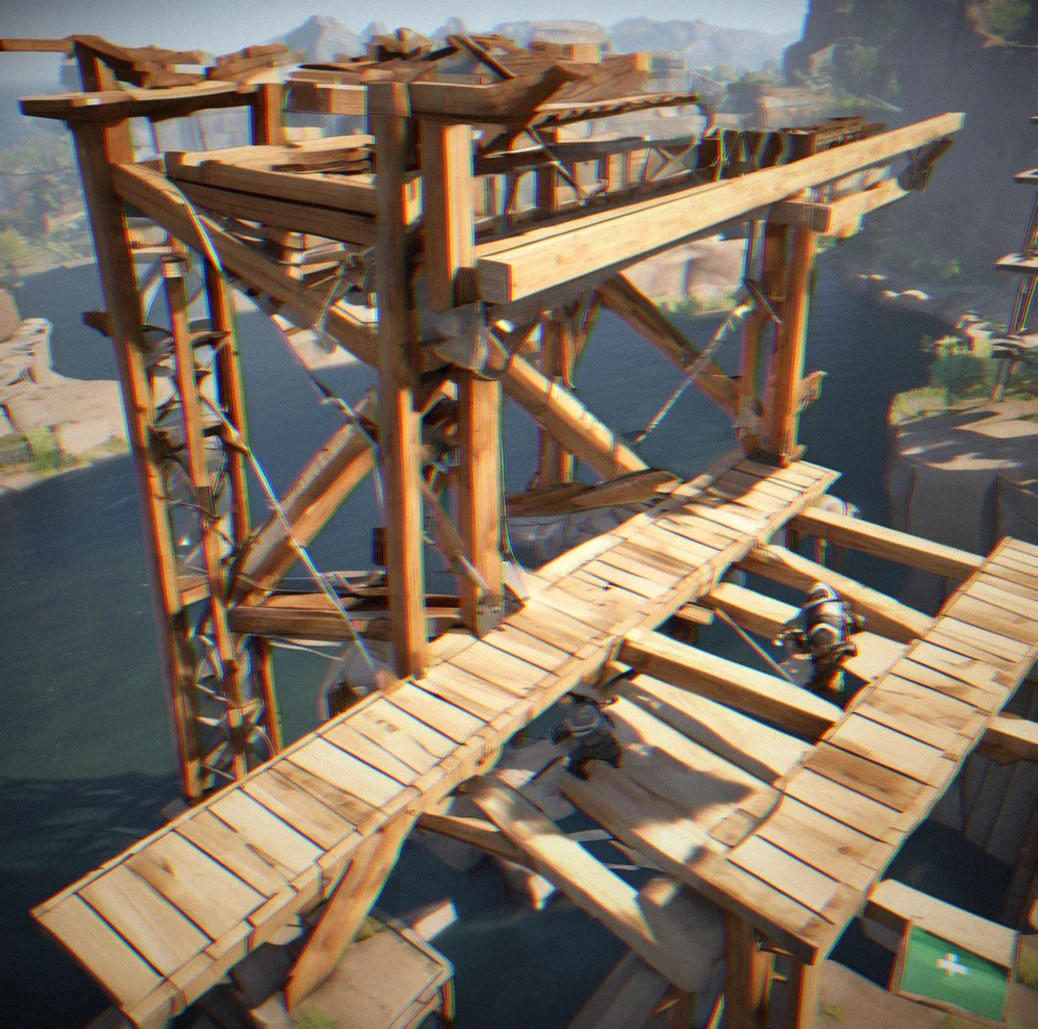
Mixed wood-and-steel build that came in around 3,100 credits, handling an uneven load with anchor points locked down at the base
Watch It Actually Work
The physics engine doesn't cut corners. Load a truck onto your bridge and watch it respond exactly like the calculations predict. Beams flex, cables pull tight, joints carry what you built them for.
How These Games Work
Bridge-building puzzles throw budget constraints, physics simulation, and multiple solution paths at you. You're not following a recipe—you're solving a problem with real consequences.
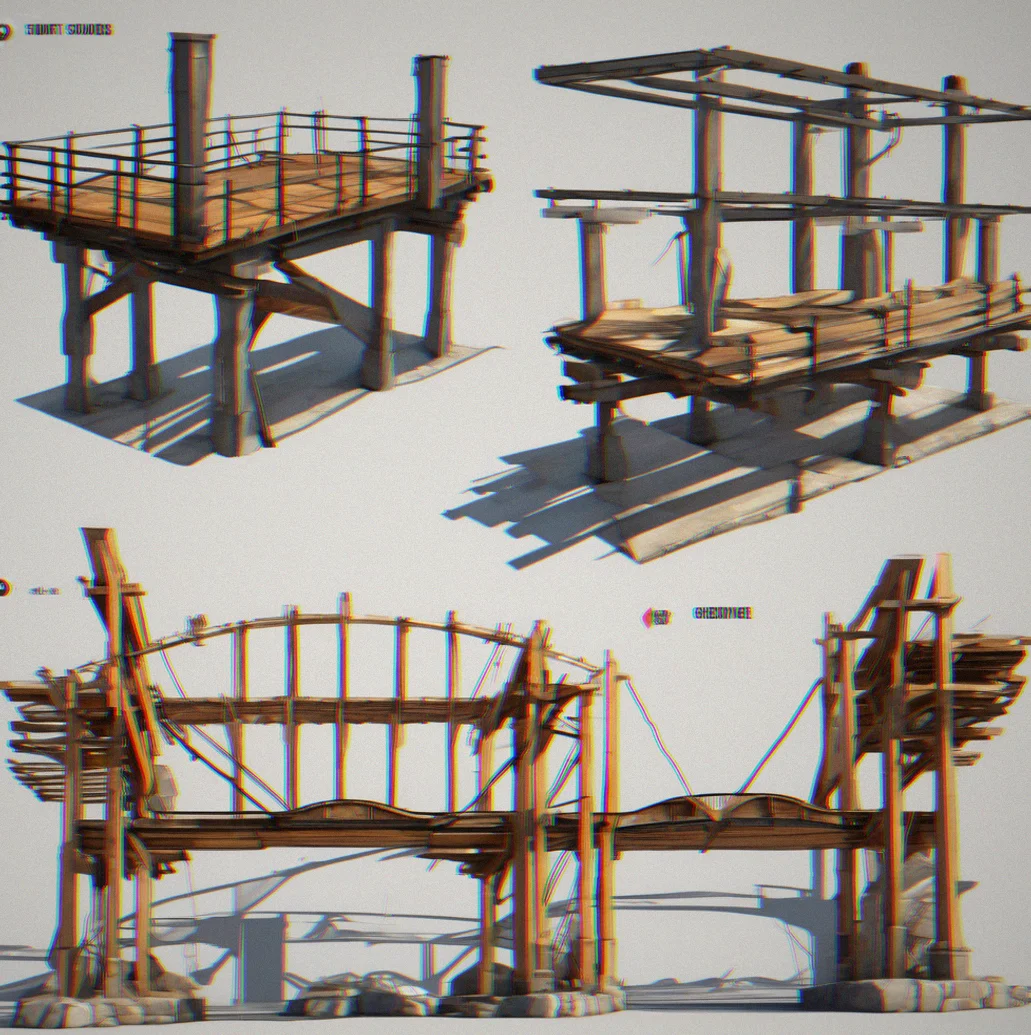
Budget Forces Real Choices
Steel runs you 80 credits per unit. Wood is 45. Cables go for 120 each. You get 4k to span 60 meters. That's your limit. Everu material pick matters because you'll either restart or end up with something that barely holds together. Constraint-driven design.
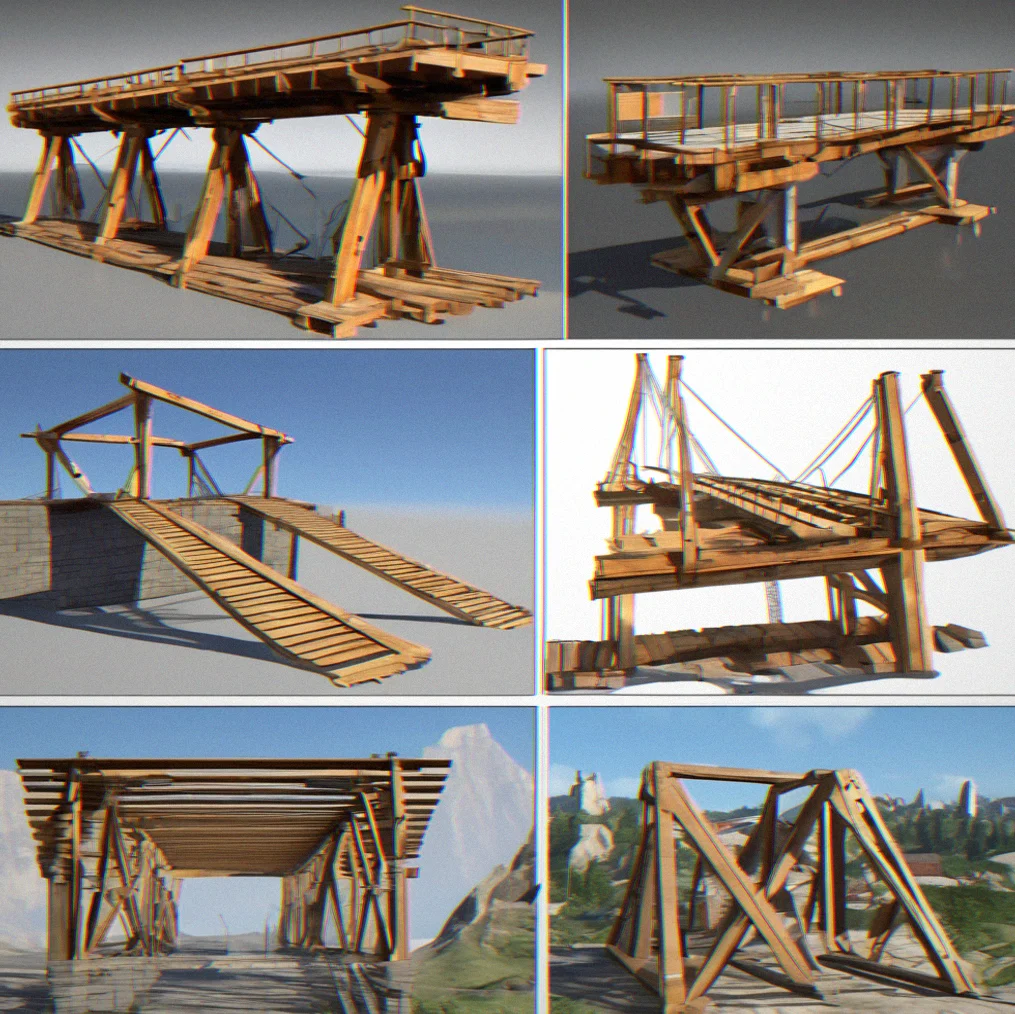
Physics Shows You Exactly Why It Failed
Your beam snaps. The game doesn't just tell you it failed—it shows you where it broke, where the stress peaked, which joint gave out first. Instant feedback. You see the consequence and adjust next time.
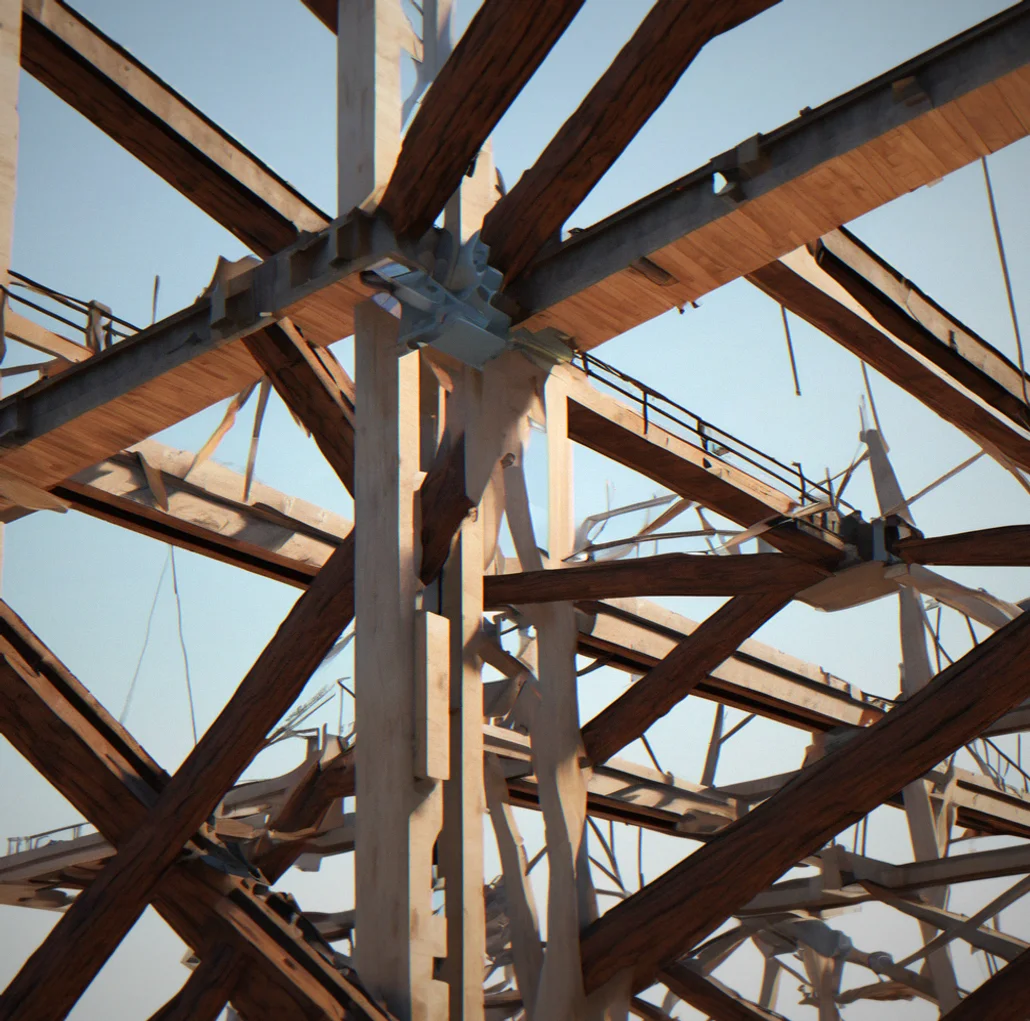
Campaigns Build Gradually
Early levels teach tension versus compression. Middle section adds asymmetric loads and cables. By the time you hit level 75, you're dealing with tilted terrain and mixed materials—but you got there step by step. No sudden spikes.
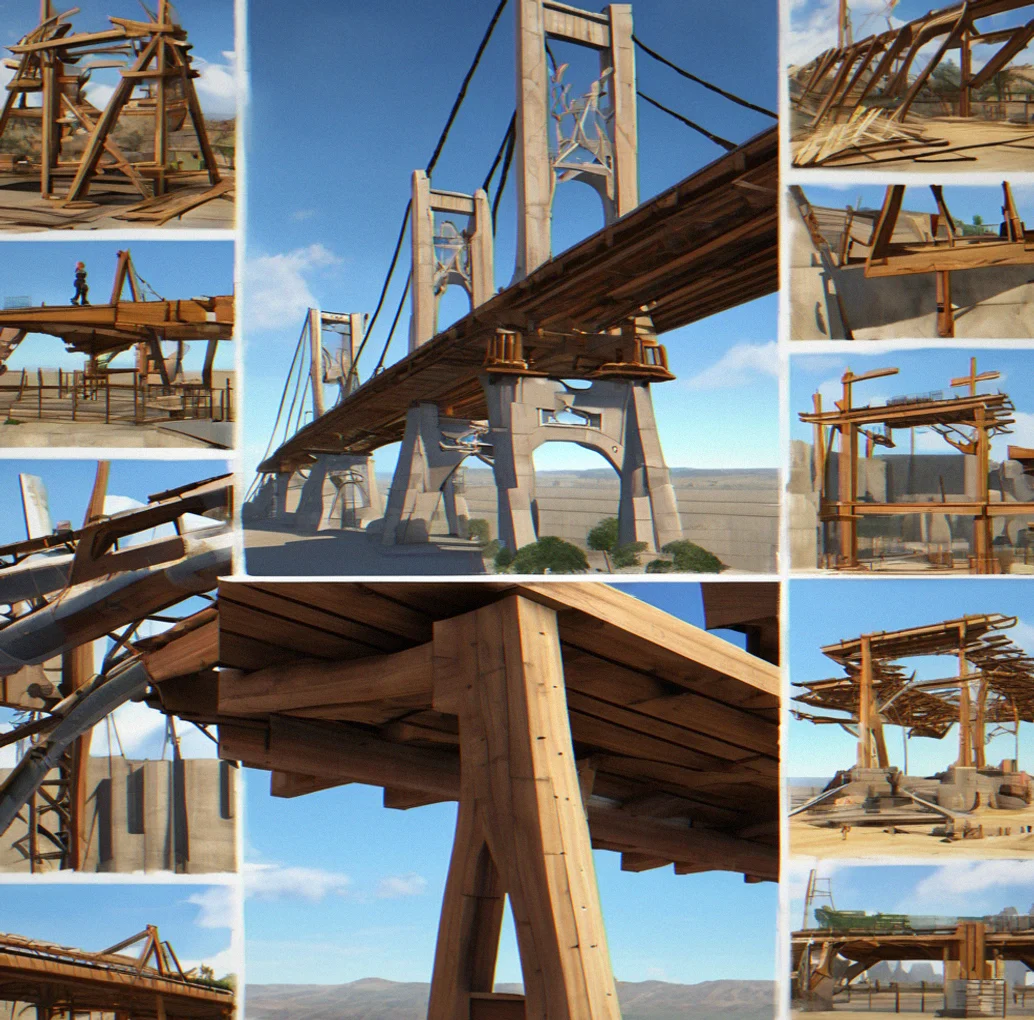
Optimize or Move On
Pass level 34 and you spent 3,200 credits. The leaderboard shows someone squeezed it down to under 2,900. Chase that gap or just move forward. Optimization is there if you want it. Completionists hunt it. Casual players don't feel stuck.
Why Budget Constraints Make Better Puzzles
Unlimited materials? Every problem gets the same answer: throw more stuff at it. Need to span 60 meters? Just dump steel everywhere until something holds. But give yourself a 4,000-credit budget where steel runs 80 per unit and suddenly you're asking whether a cable-hybrid design actually saves money without compromising on load capacity. The constraint isn't some punishment imposed by the designer—it's what forces you to think about *why* a truss beats a beam in the first place. (Most people don't realize they've picked up real structural principles until they're already halfway through the campaign.)
Games like Poly Bridge don't dump everything on you at once. The early levels, say the first couple dozen, are about learning the fundamentals: basic spans, how materials cost, what happens when weight gets out of hand. Around the halfway point you're managing asymmetric loads and uneven terrain simultaneously. By the time you hit later levels, you're juggling both cost and durability while dealing with conditions that change. Each stage layers in one solid new concept rather than throwing five at you all at once. You mess up in a safe way, adjust, and keep going. There's no sudden wall that just blocks your progress.
Multiple Solution Paths
Spanning 40 meters doesn't have a single correct answer. You could go with a heavy truss, build out a cable suspension system or blend the two together. They all work. They all have different price tags. What you build depends on what you care about, not on what the game is forcing you to do.
Real-Time Physics Feedback
When your bridge collapses, you see the reason. A joint where stress concentrated too much. A vertical member that couldn't handle compression. The physics engine doesn't just tell you yes or no—it points to the exact moment and spot where things fell apart.
50–150 Level Campaigns
Not an endless treadmill. A proper story arc that builds naturally and wraps up in somewhere around 30 to 50 hours. You can finish it. It feels complete without dragging on past its welcome.
Leaderboards for Optimization
You finish a level at 3,200 credits. Then you see someone else did it for 2,890. That difference is purely optional—you can chase it if you want or just move to the next thing. For people who like that extra layer of challenge, it's there.
No Reflexes Required
You're not racign against a timer or landing pixel-perfect inputs. This is about visualizing space and understanding how loads move through a structure. You work at your own pace. The game doesn't rush you. That's the whole draw.
Bridge-Building Games: What You Should Know
These games look simple but have real depth. Here's what people usually want to know before diving in.
Not really. Your structure either holds or fails based on actual physics, not random chance. You see *why* it failed—stress concentration, compression limits, the exact joint that gave way. That feedback teaches you. By the time you're 15 levels in, you're making informed decisions, not guessing. And the budget constraint forces you to think strategically, not just throw materials at the problem.
Most campaigns run somewhere between 50 and 150 levels. If you're solving steadily without obsessing over optimization, you're looking at maybe 30 to 50 hours for a complete playthrough. Not an endless grind. A full narrative arc with a satisfying endpoint.
Unlikely. These games are designed around progression, not punishment. Early levels teach you compression versus tension. The middle stretch introduces cables and asymmetric loads. By the time you hit complex terrain, you've already learned the fundamentals. The real challenge comes if you're chasing leaderboard positions, but that's optional—you can skip ahead anytime.
It's there if you want it. Beat a level and move to the next one. Curious if you can do better? The leaderboard shows you a gap to chase. Some players love that layer; others ignore it completely. The game doesn't force optimization on you.
Tips on beating levels, how to optimize your runs, and bridge-building tricks sent straight to you.
One email a week. Strategy guides, what's trending on the leaderboards, physics breakdowns that actually make sense. No spam or clickbait. Just useful stuff if you want to get better at solving these things. Leave anytime you want.